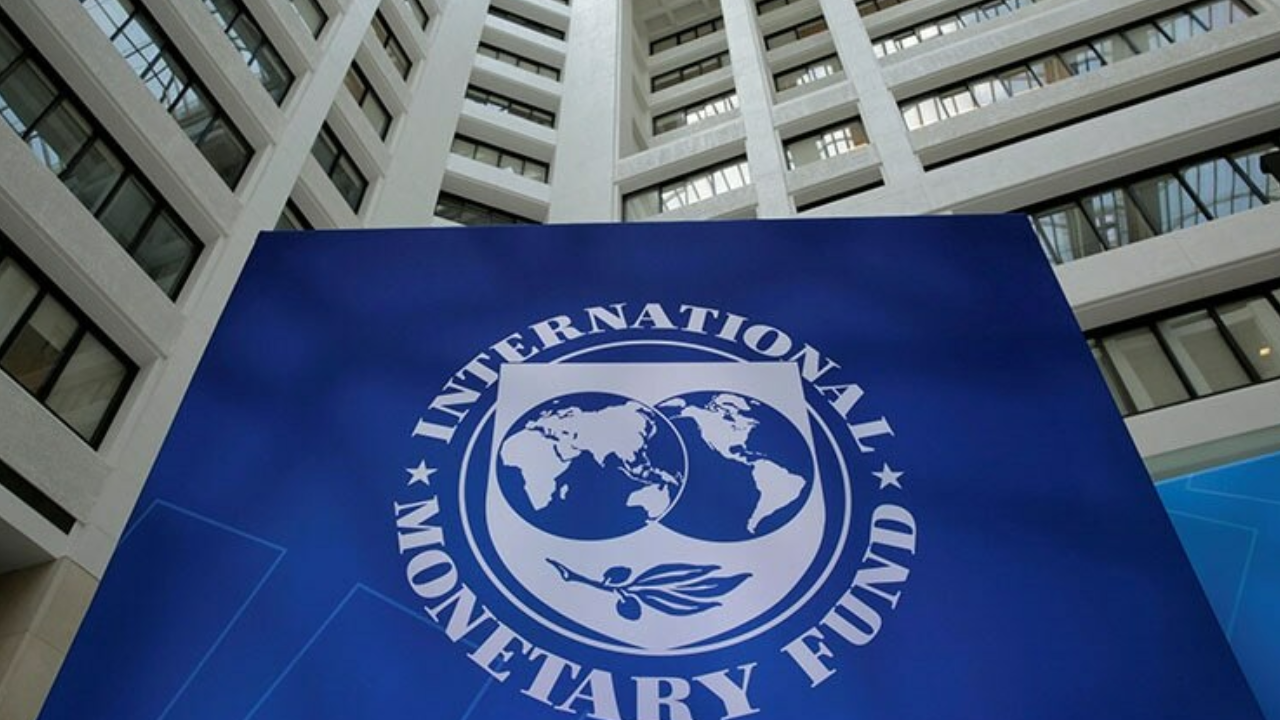
Pakistan has accepted 23 stipulations put forth by the International Monetary Fund (IMF) that pertain to energy, finance, social, structural, monetary, and currency issues as part of the loan agreement.
The IMF report indicates that Pakistan and the Fund have come to an agreement to reduce development projects. Among the stipulations are an increase of five percent in excise duty on fertilizers and pesticides, implementing excise duty on high-priced confectionery items, and expanding the sales tax base by transitioning selected goods to the standard rate.
The government has pledged to the IMF that the sugar industry will be completely deregulated. Tariff modifications in the electricity sector will continue, along with commitments to lower system losses and reduce expenses.
A nationwide Point of Sale (POS) system for 40,000 major retailers is set to be implemented within two years. All four provinces will progress towards a unified sales tax system.
The IMF report highlights that provinces “have consented not to provide any new subsidies on electricity and gas.” Pakistan is also restricted from entering into new external agreements for additional RLNG. The OGRA will be instructed to establish tariffs within 40 days, after which the formal notification will be released.
As part of the conditions, no investment initiative or company will be provided with financial benefits or guarantees. No fuel subsidies will be given, and no cross-subsidy programs will be initiated. The government will not establish targets for sectoral loans or distribute such loans.
The phase-out of government securities from the State Bank has been prolonged. Market purchases have been halted. Throughout the program, the State Bank will refrain from launching new lending initiatives, and the currency will maintain its flexibility.
Federal and provincial governments are prohibited from setting a support price for wheat procurement. They are also restricted from imposing new regulatory duties on imports. The Special Investment Facilitation Council (SIFC) will not recommend incentives, and the government will not provide tax benefits or guarantees. All investments channeled through the SIFC will adhere to the Public Investment Management Framework.
The IMF has also mandated that no new special economic zones or similar zones be established. Existing concessions for these zones will not be renewed, and no new concessions will be issued.
As the payments deficit continues to rise following the end of the previous Fund-supported program, during which the deficit reached 3.3 billion dollars, Pakistan has consented to increase tax rates on fertilizers, pesticides, and confectionery items, as well as raising the GST on selected goods to the standard 18 percent.